
Description
Good Ouality:
- Lead-Free Treatment:
- Material Composition: Choose artificial turf made from materials that are certified lead-free. This includes synthetic fibers and backing materials that meet relevant environmental and health standards.
- UV Protection:
- UV Stabilizers: High-quality artificial turf uses UV stabilizers in the manufacturing process. To prevent fading and degradation in sunlight.
- Longevity: Uv protection helps extend the life of the turf. It maintains the color and structural integrity of the turf for a long time, even in sunny climates.
- Wear and Tread Resistance:
-
- Fiber Density and Type: Look for turf with high-density fibers and resilient materials to withstand frequent use and foot traffic without flattening or deteriorating.
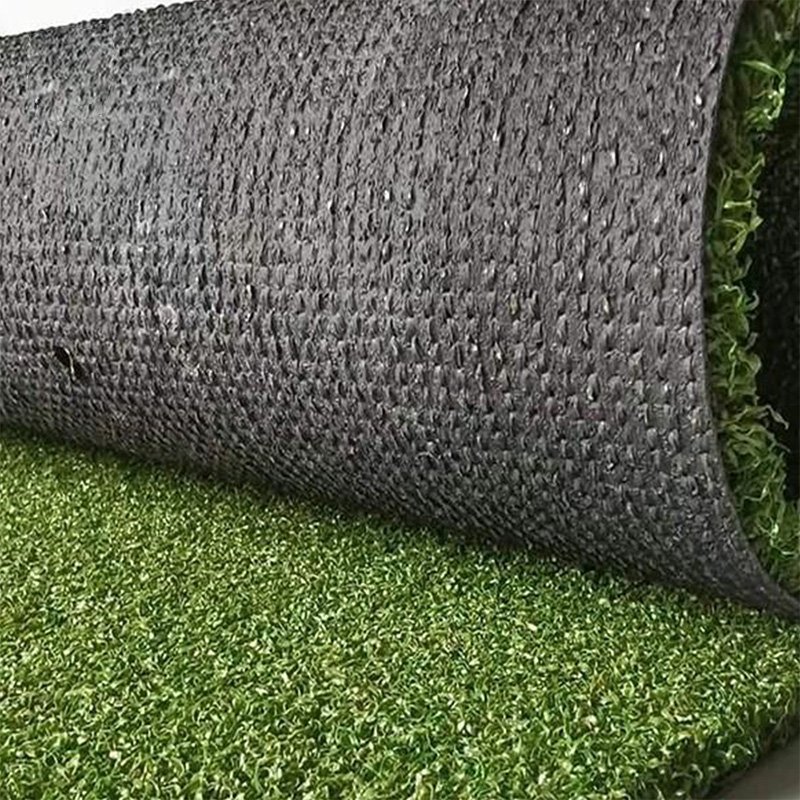
- Backing Strength: A strong backing enhances the turf’s ability to maintain its shape and resist wear, ensuring durability under golfing conditions.
- Fire and Flame Retardancy:
- Fire Rating: Some artificial turf products are treated with flame retardants to reduce the risk of fire. And slow the spread of flames in the event of an accidental fire.
- Safety Standards: Make sure the sod meets the relevant fire safety standards applicable to your area or industry requirements. Especially turf installed in fire-prone areas.
Applicable Scene:
- Kindergarten: Golf artificial turf can be used in play areas at kindergartens to create safe and clean play spaces for children.
- Gym Floor: In some cases, artificial turf can be used on gym floors for specific activities or training areas, although this is less common than other types of flooring.
- Soccer Field: Artificial turf is widely used in soccer fields around the world due to its durability and low maintenance requirements.
- Beautiful Wall: Artificial turf can be used creatively in landscaping projects or as a decorative element in certain environments.
- Golf Course: Artificial turf is commonly used on golf courses for practice areas such as putting greens, driving ranges, or even on entire courses in some cases.
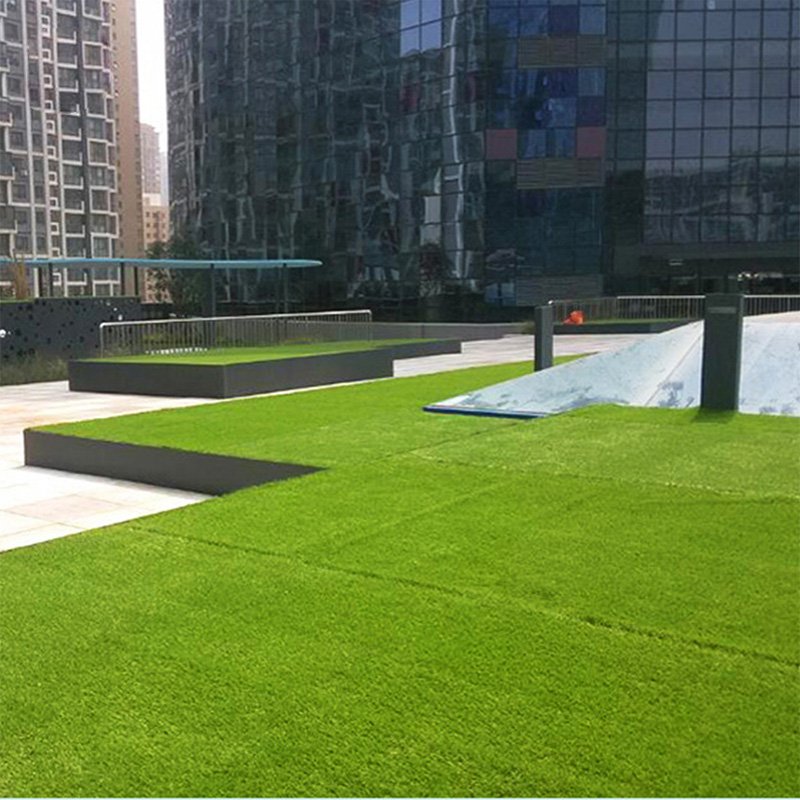
- Landscaping: Artificial turf is often used in landscaping projects where natural grass is difficult to maintain, such as in arid climates or urban environments.
The Sevil Is In The Details:
- Standard Grass Height: Typically, for golf, the grass height can vary depending on whether it’s for putting greens, fairways, or rough areas.
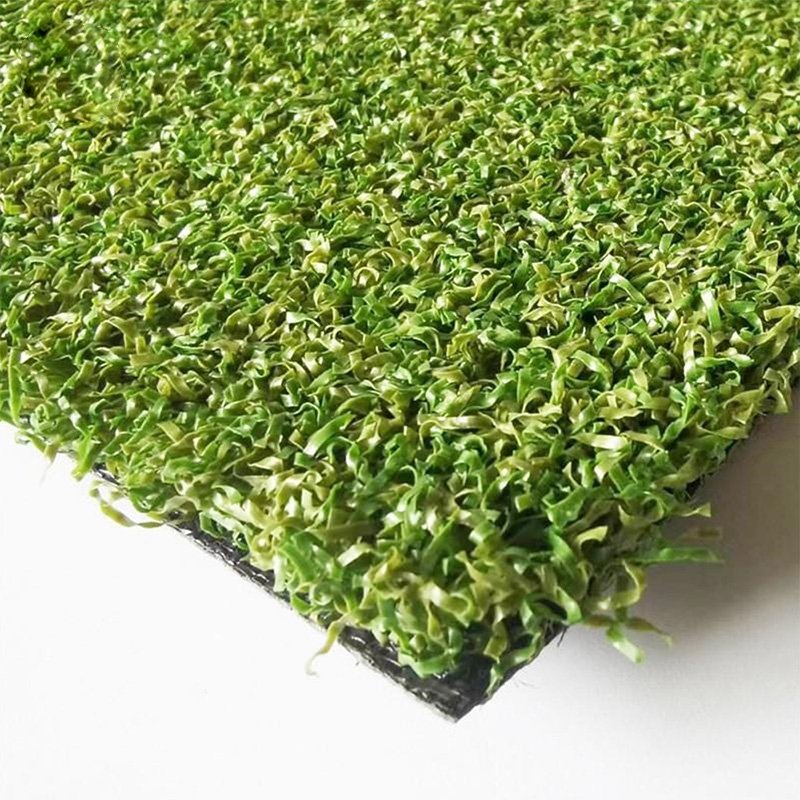
- Professional Construction: Make sure the artificial turf is built to professional standards. Use high-quality materials that mimic natural grass in terms of appearance, feel and performance.
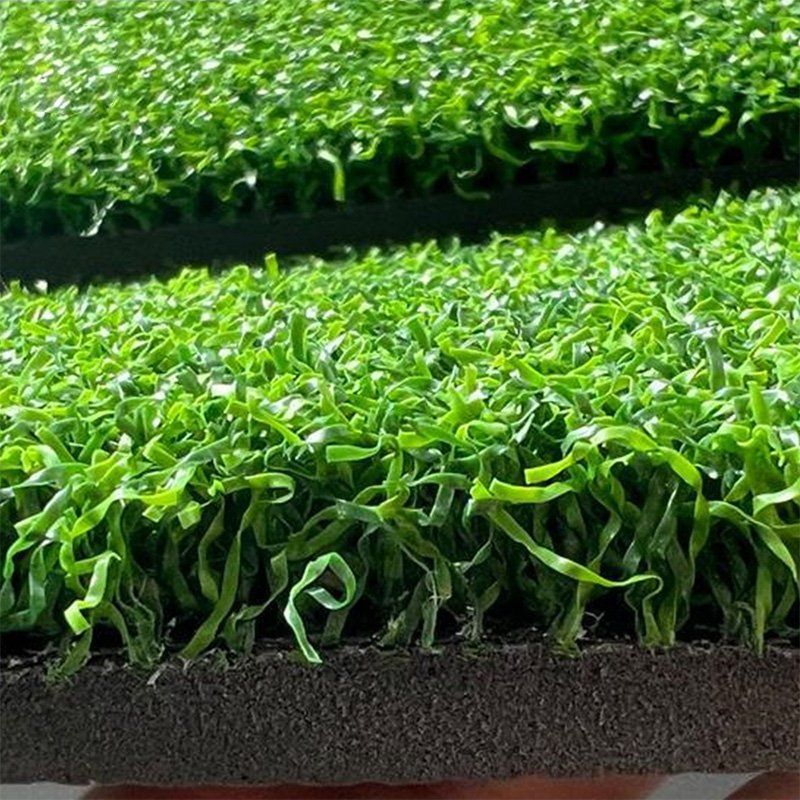
- True Density: This refers to how closely packed the fibers are within the artificial turf. Higher density usually means better durability and a more natural appearance.
- Customized Service: Different grass heights, colors, or specific designs tailored to your golf course’s needs.
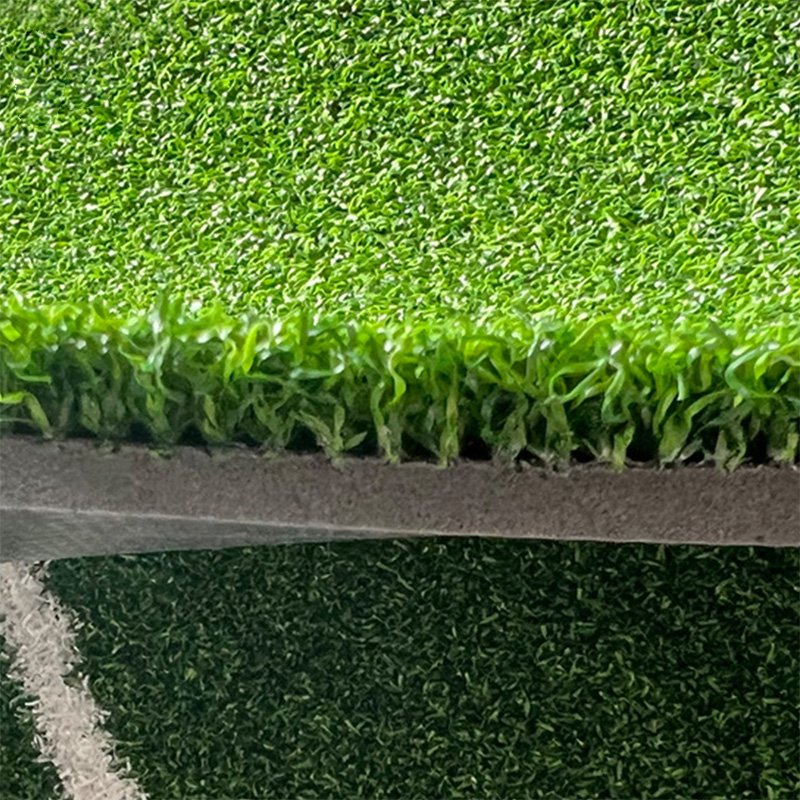
- Smooth and Thick Adhesive Backing: A smooth and thick adhesive backing helps ensure that the turf stays in place and provides a comfortable surface for players.
- Pre-sales Consultation: Reputable suppliers should provide pre-sales consultation, discuss your requirements, and provide samples. And advice on the best turf selection for your specific golf needs.
Reviews
There are no reviews yet.