
Description
The difference in golf is both inside and outside:
Game golf balls
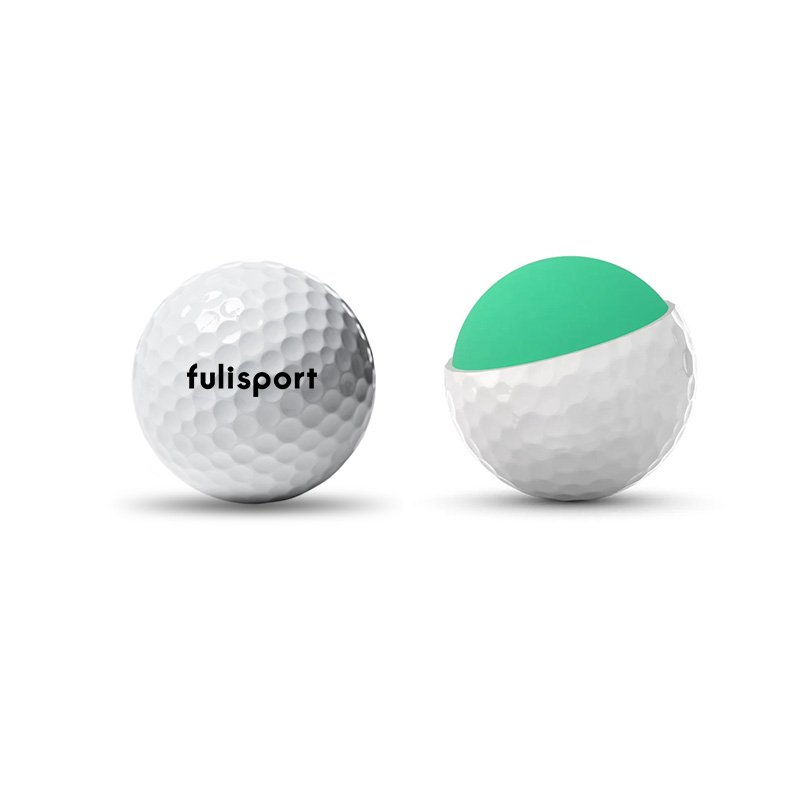
- According to its internal characteristics: golf ball is divided into one core, two cores and three cores, multiple cores can produce more reverse spin; A single-core golf ball spins less but flies farther
- According to the external characteristics: the shell of the golf ball is divided into soft balls and hard balls. Soft-shell balls are generally more expensive and less durable; The hard-shell ball is more durable, spins less, and is less expensive
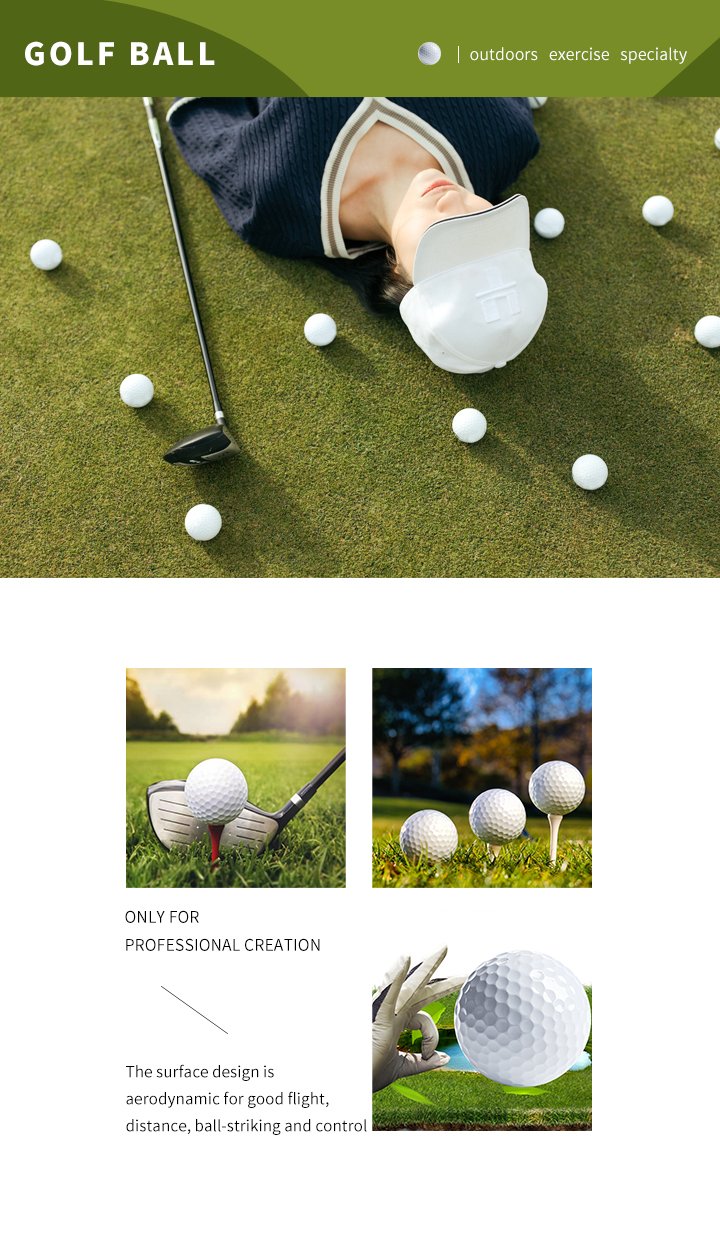
Anatomical structure classification of balls
Golf balls are typically not classified based on anatomical structure, as they are not living organisms with anatomical features. However, they can be classified based on their construction, materials, and intended use. Here are some common classifications of balls based on their construction:
- Two-piece Golf Balls: These are the most common type of balls and are made of two main components: a solid core (usually made of rubber or synthetic materials) and a cover (typically made of durable materials like Surlyn or urethane). Two-piece golf balls are known for their durability and distance.
- Three-piece Golf Balls: Three-piece balls have an additional layer between the core and the cover, known as the mantle layer. This layer is designed to provide added spin control and feel. Three-piece balls are often preferred by mid to high handicappers who seek a balance of distance, spin, and control.
- Multi-layer Golf Balls: These balls have more than three layers, often with additional mantle layers or other enhancements. Multi-layer balls are designed to offer a combination of distance, spin, and control, catering to the needs of different types of golfers, including professionals and low handicappers.
- Low Compression Golf Balls: These balls have a softer core, which compresses more upon impact, resulting in lower spin and greater distance for golfers with slower swing speeds. Low compression balls are often recommended for beginners, seniors, or those with slower swing speeds.
- Tour-level Golf Balls: These balls are designed for professional and highly skilled golfers who demand maximum performance and control. They typically feature high-quality materials, advanced aerodynamics, and precise construction to optimize distance, spin, and control.
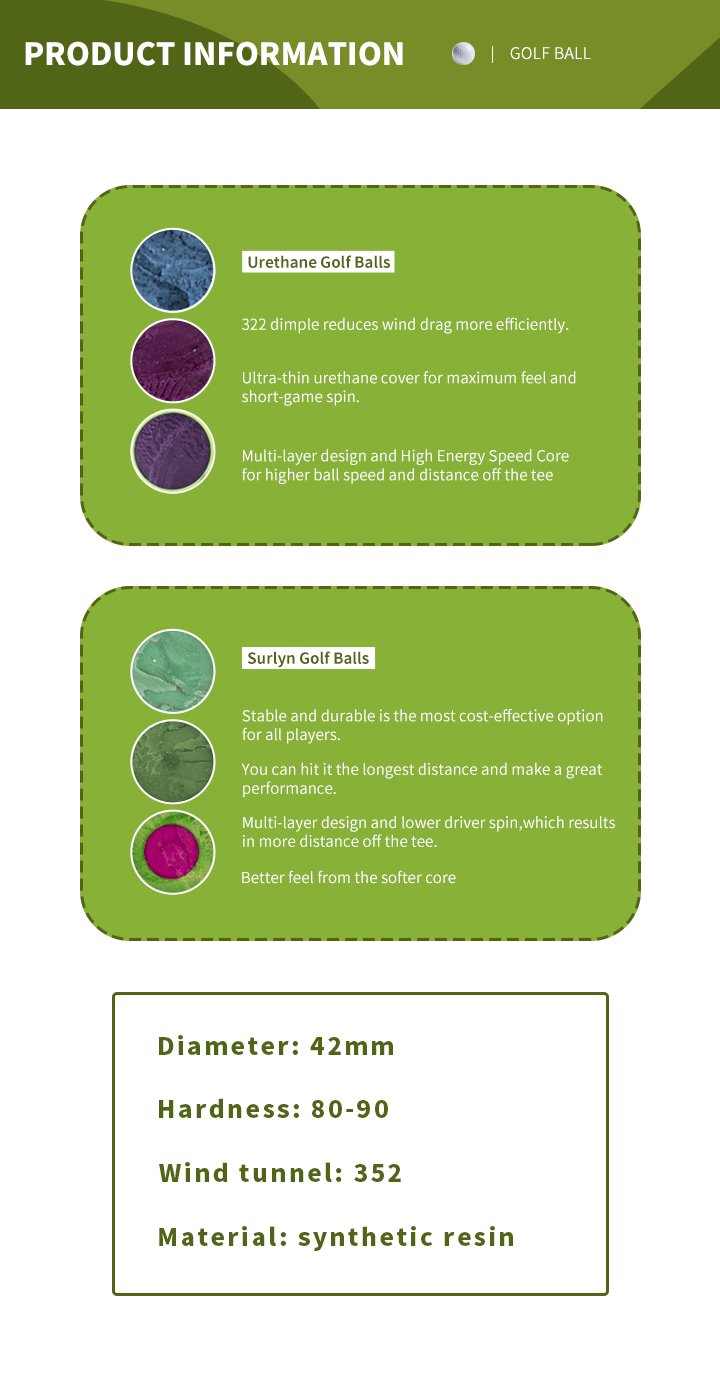
Optimized Design for Performance:
- Hardness range: The hardness range of balls is 80-90. A balance between reactivity and durability ensures a satisfying playing experience.
- Material composition: Made of rubber and Surlyn. Provides a reliable and resilient structure for stable ball flight and control.
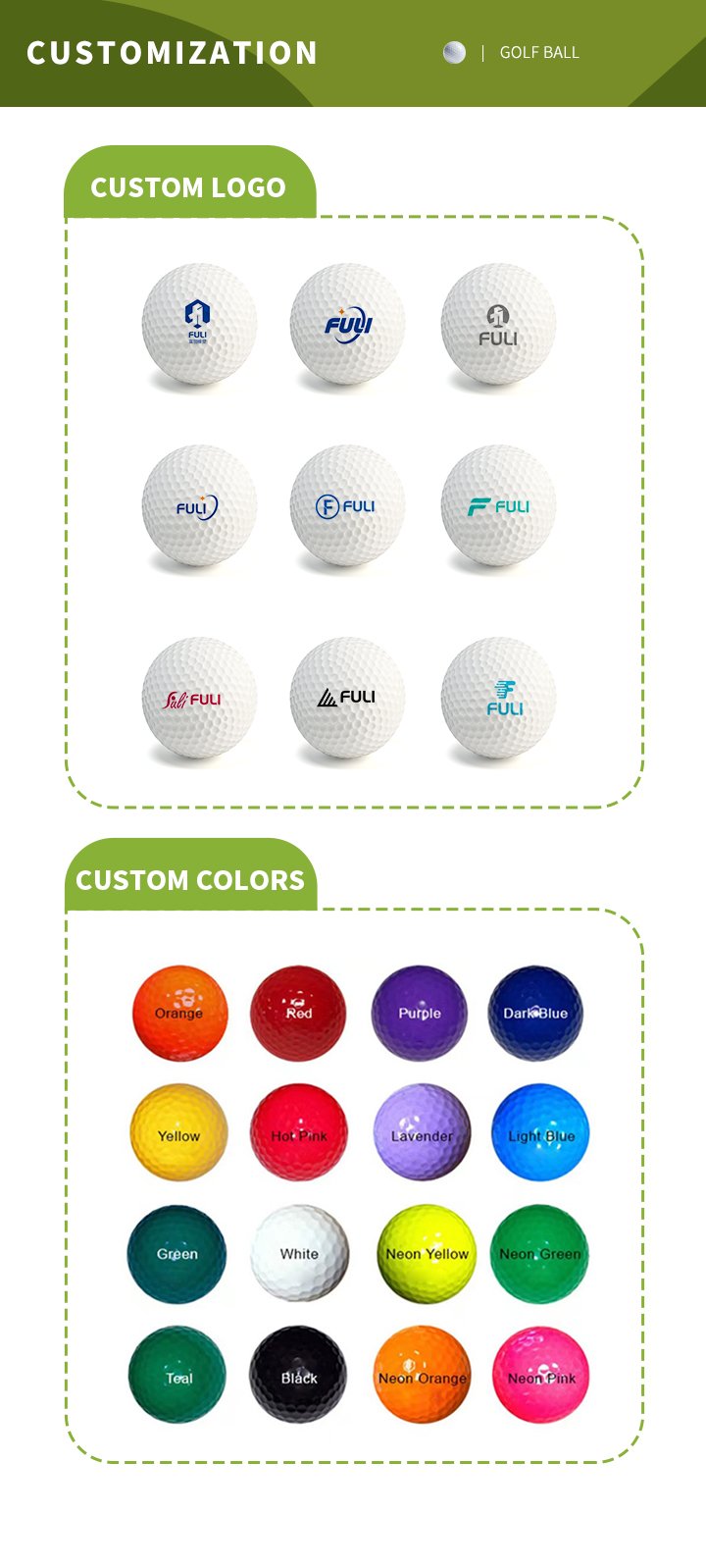
Customizable Aesthetics and Branding:
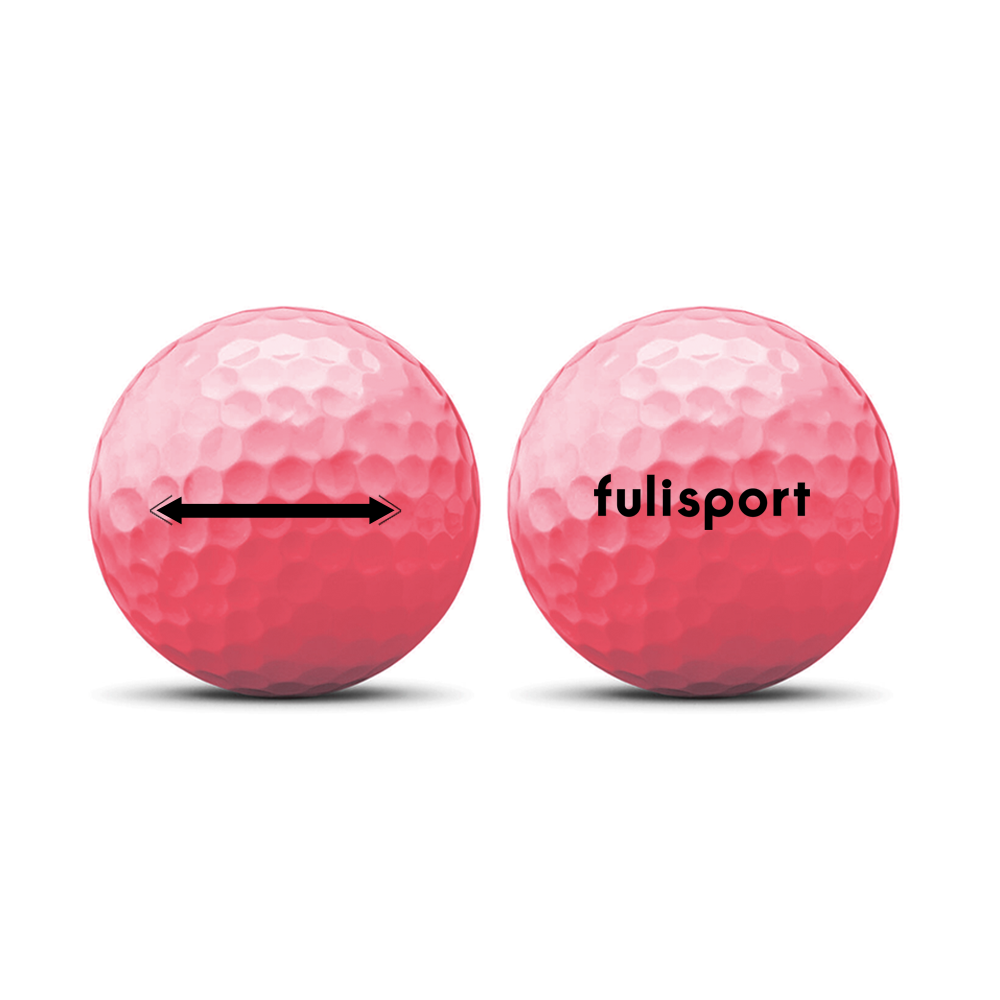
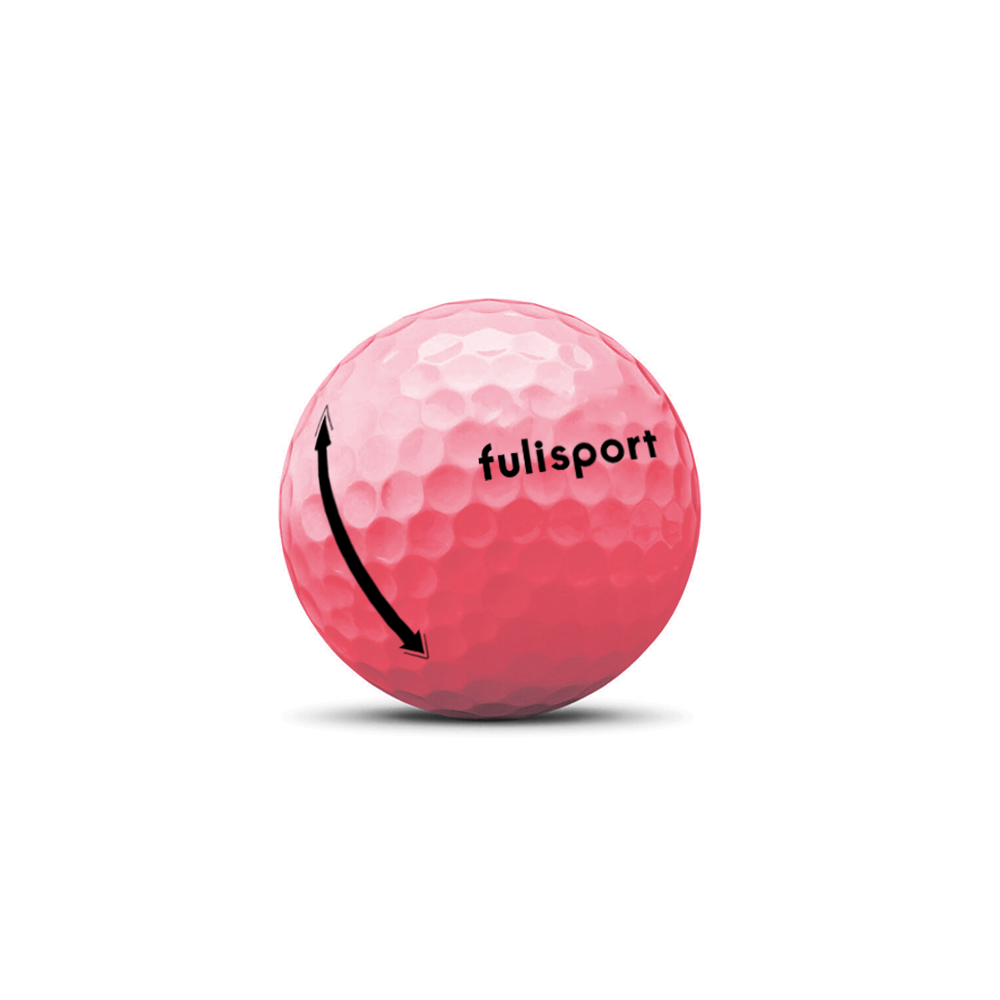
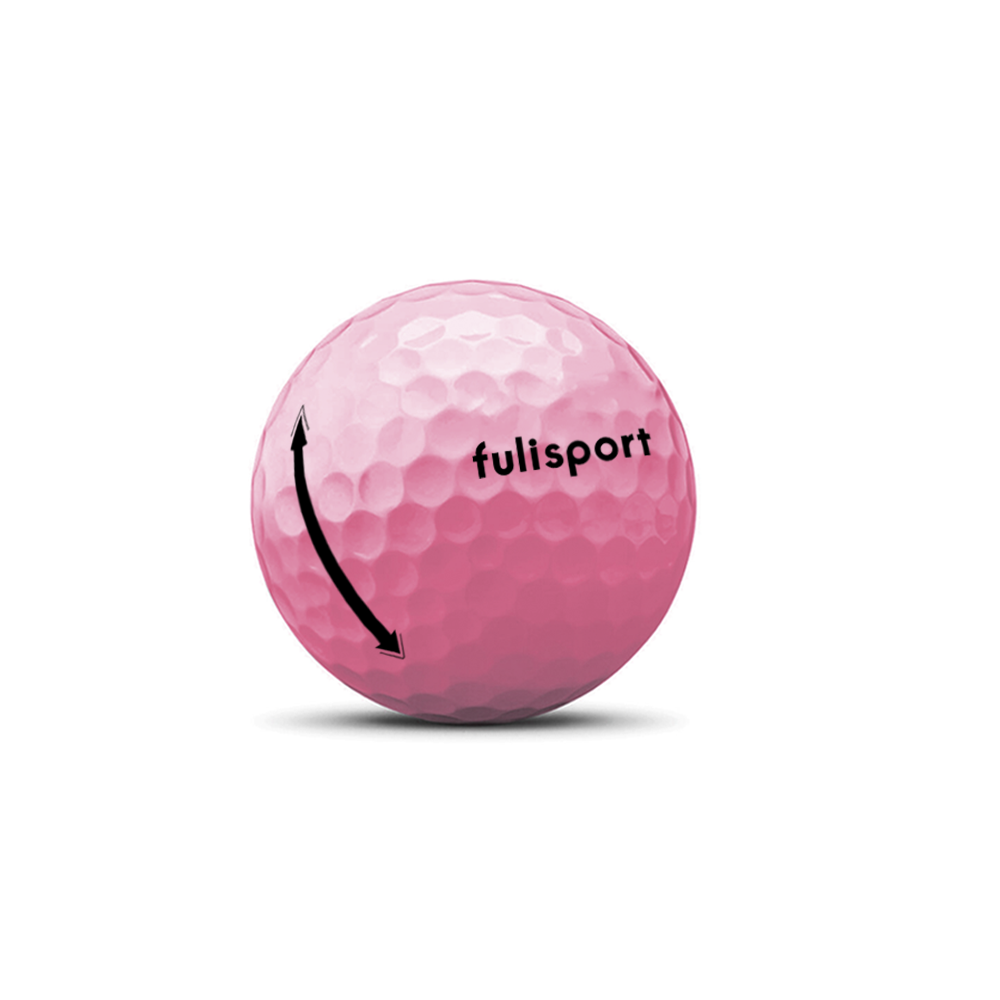
- Personalized color selection: Golf balls come in custom colors. Allow users to choose an aesthetic that suits their preferences or aligns with the brand.
- OEM Logo Placement: Offers the option for OEM logo placement, providing a customizable and branded experience for businesses or individual players.
Reviews
There are no reviews yet.