
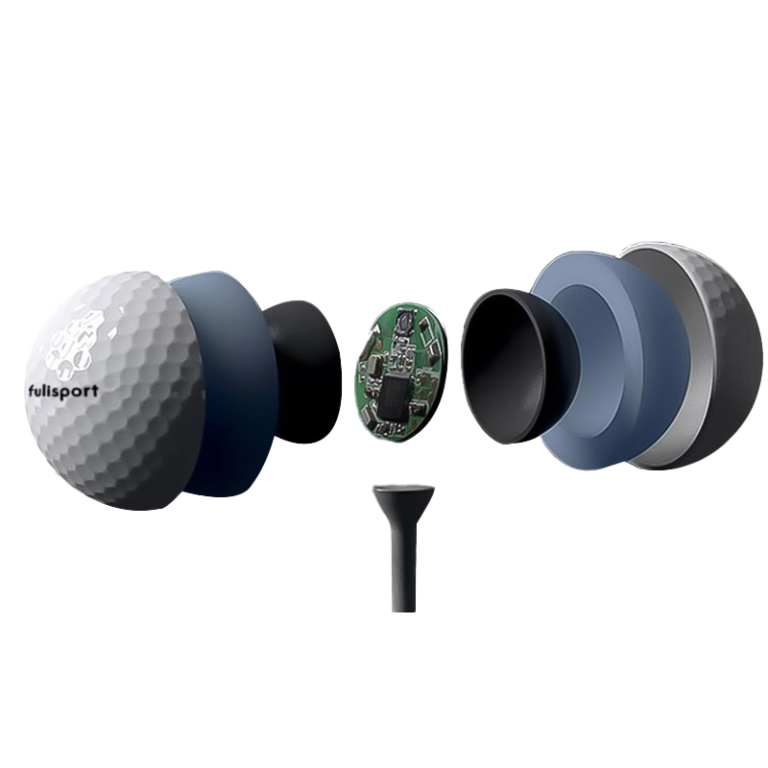
RFID Golf balls typically refer to golf balls that are embedded with microchips or RFID (Radio Frequency Identification) technology. This technology is used primarily for tracking and monitoring purposes, providing various benefits both for players and golf course operators. Here are some key aspects about RFID golf balls:
Easier Ball Location: The embedded chip, often using GPS, RFID, or Bluetooth, helps locate the ball quickly if it lands in difficult-to-find areas, such as thick rough or out-of-bounds. Reduced Lost Balls: By tracking the ball’s location, golfers are less likely to lose their ball, which can be especially useful on larger or unfamiliar courses.

Shot Metrics: Provides data on shot distance, speed, and trajectory, which helps golfers understand their performance better and identify areas for improvement. Consistency Analysis: Allows golfers to track consistency in their shots and make necessary adjustments to their technique or equipment.
Immediate Insights: Offers instant feedback through notifications, vibrations, or visual cues, helping golfers make real-time adjustments to their game. Quick Performance Evaluation: Enables golfers to quickly evaluate the effectiveness of their shots without waiting until the end of the round.
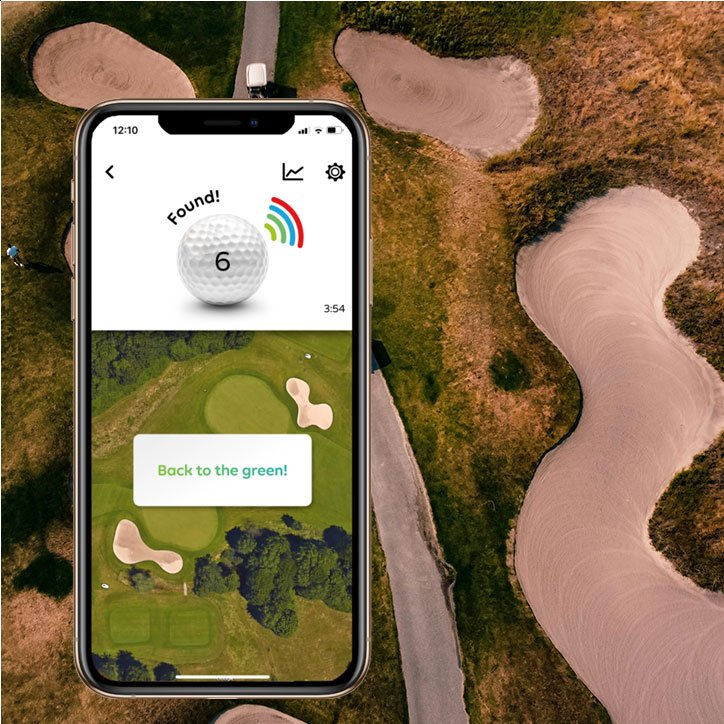
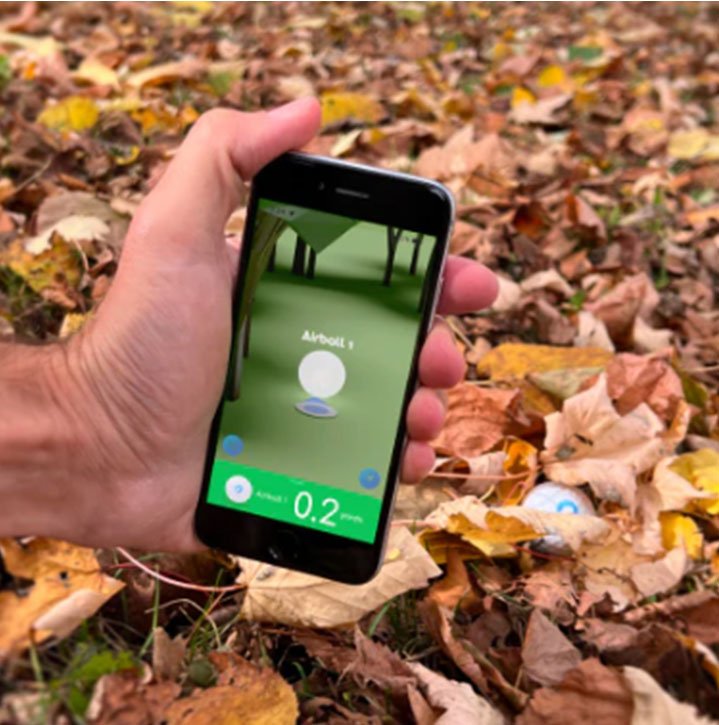
Better Decision Making: Data on shot distances and accuracy helps in making more informed decisions about club selection and shot strategies. Course Management: Helps golfers plan their shots and manage the course more effectively by understanding how different aspects of their game perform under various conditions.
Targeted Practice: Identifies specific areas of strength and weakness, allowing golfers to tailor their practice sessions to improve specific aspects of their game. Progress Tracking: Monitors improvement over time, providing motivation and insight into how practice and adjustments are translating into better performance.
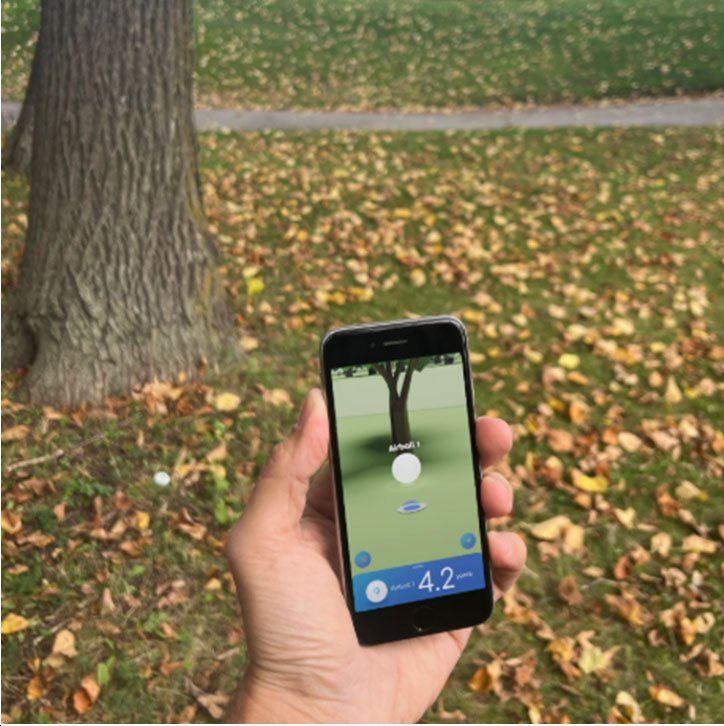
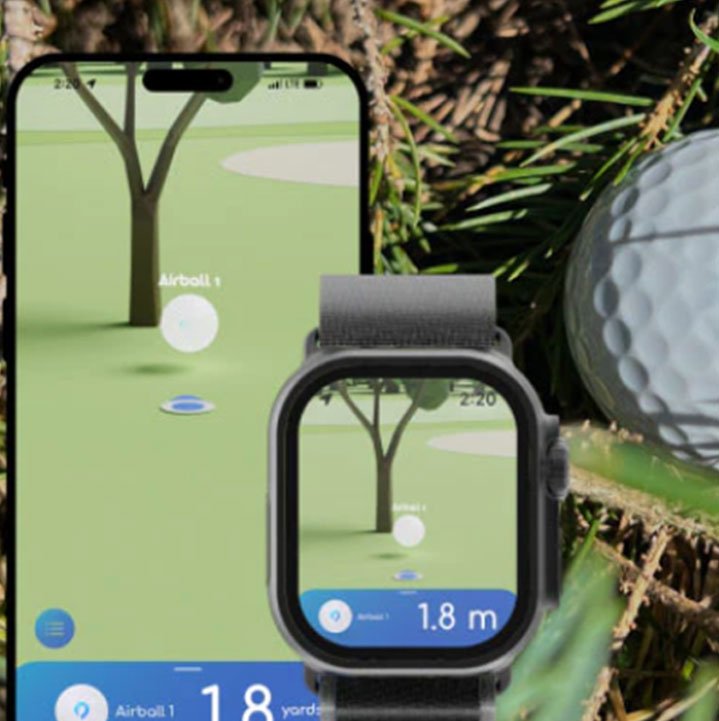
Streamlined Data Collection: Automates the tracking and logging of shots, saving time and effort compared to manual recording. Reduced Search Time: Minimizes the time spent searching for lost balls, allowing for a more efficient round of golf.